
Basement Waterproofing & Crawl Space Repair in Raleigh County, WV
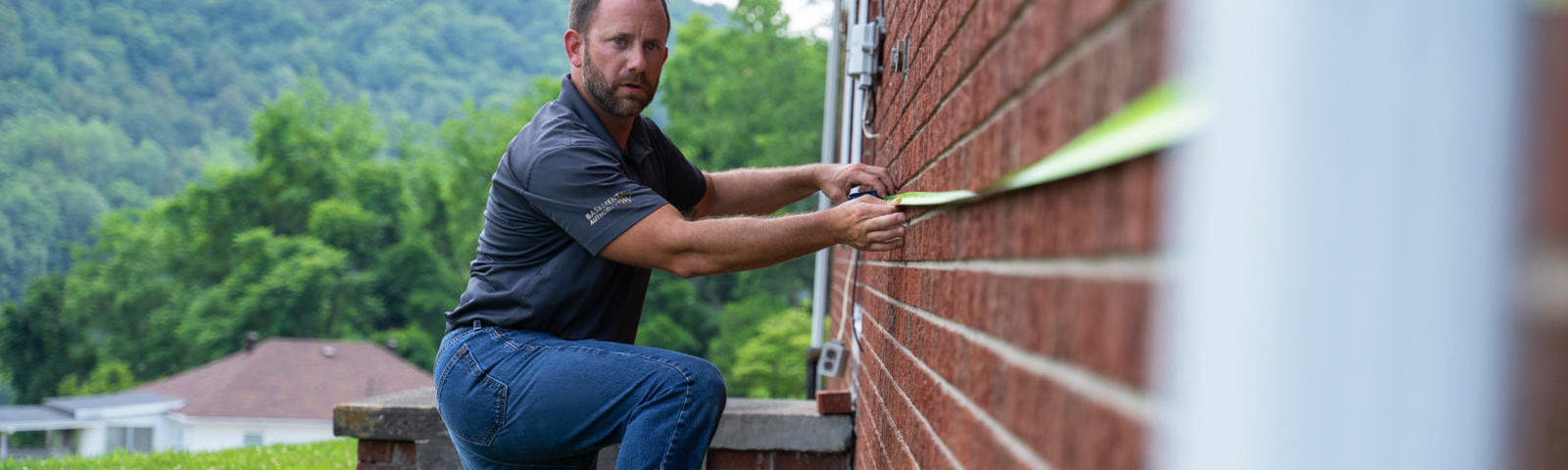
With higher-than-average levels of rain and snow, Raleigh County’s weather could lead to serious structural problems. But don’t worry, Basement Authority of West Virginia has the solutions and expertise to protect your home from costly damage. Let us help you safeguard your greatest investment.
Charleston Local Office
Basement Authority of West Virginia
132 Rocky Step Rd.
Scott Depot, WV 25560
(304) 898-1872
Hours of Operation
Monday – Friday: 7 am – 11 pm
Saturday: 8 am – 11 pm
Sunday: 10 am – 11 pm
Award-Winning Solutions in Raleigh County
Basement Authority of West Virginia (BAWV), a Groundworks Company, specializes in helping homeowners with their foundation repair, basement waterproofing, crawl space, and concrete needs. Our top priority is providing high-quality home repair solutions and personalized service across West Virginia. With fully trained technicians, industry-leading products, and nationally backed warranties, BAWV is here to restore your foundation or basement.
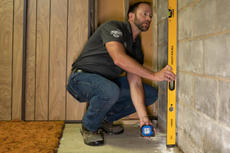
The Basement Authority of WV Process
Why Homeowners Choose Basement Authority of West Virginia
Since 2003, Basement Authority of West Virginia – a Groundworks Company – has specialized in the installation of high-quality products for foundation, basement, crawl space, and concrete issues such as foundation cracks, musty odors, excess humidity, and a multitude of other problems. Many homeowners in West Virginia trust us with their foundation repair needs because we are proven to be the best in the business. At every point of contact with our staff, we strive to exceed the expectations of our customers. Customer service, knowledge, and high-quality equipment put us at the top of the list!





Our Services for You
Basement Waterproofing
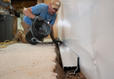
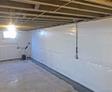
Being in Southern West Virginia, homes in Raleigh County face unique environmental challenges. With an average of 43 inches of rain and 46 inches of snow every year, many basements struggle to manage the influx of water. Often, the high precipitation leads to underground water pressure next to basement walls, causing cracks and leaking water. From there, basement issues like flooding, mold, efflorescence, and excess humidity start to spiral. If these problems sound familiar, don’t worry! Basement Authority of West Virginia offers long-term solutions to combat these issues. Our techniques include interior drainage systems, sump pumps, wall vapor barriers, and dehumidifiers.
Crawl Space Repair & Encapsulation in Raleigh County
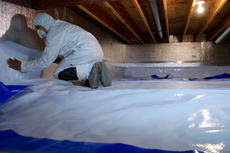
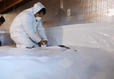
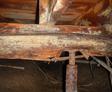
Did you know that if your home was built over a crawl space, it’s at risk for significant water damage? Between humid summers and above-average precipitation, Raleigh County’s weather tends to cause standing water, mold, wood rot, and musty odors in crawl spaces. The good news is that you can prevent these issues and promote a healthier home with waterproofing and encapsulation services from BAWV. We install industry-leading drainage systems, sump pumps, insulation, vapor barriers, and more to keep your crawl space dry and healthy.
Foundation Repair in Raleigh County
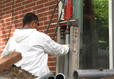
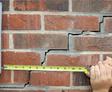
Don’t let an unstable foundation undermine the safety of your home. Signs of a foundation problem include wall cracks, bowing basement walls, and uneven floors. These issues tend to arise when the soil underneath your foundation becomes unstable due to varying soil types that shrink, swell, and shift (all found in Southern West Virginia). Our foundation repair solutions tackle these underlying issues by bypassing the problematic soil. We install pier systems, crawl space supports, carbon fiber wall reinforcements, and wall repair systems – such as wall anchors and I-beams – to ensure your foundation receives lasting stability.
Concrete Lifting in Raleigh County
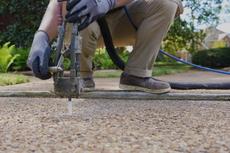
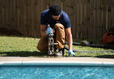
Your driveway, sidewalk, and outdoor steps are all prone to damage from above-average rain and snow, as well as the unique soil conditions found in Raleigh County. Precipitation causes soil erosion, and tree roots cause soil to shift. The gaps that form beneath your concrete, as a result, lead to cracking, sinking, and uneven concrete, which is both unsightly and hazardous. Our cutting-edge concrete lifting and leveling solution – polyurethane foam – stabilizes both the concrete and underlying soil. Your concrete is lifted back into a safe position with long-lasting results.
FAQ
Foundation deterioration can be caused by a variety of sources, but they always fall into one of three categories: pressure, lack of support, or faults. Despite the fact that each of these issues is unique, they nonetheless express themselves in similar ways. The most typical signs of foundation problems include spreading cracks, unevenness, dampness, sinking, and heaving. You may discover secondary issues such as wood rot or mold if the damage to your foundation has been there for some time. Because the symptoms are very consistent regardless of the cause, it is vital to get professional assistance in determining the exact cause and the right treatment.
A basic fault or shortcoming in the building or structure of your property’s foundation is the least likely but most significant underlying reason. Defects can develop as a result of bad design, such as architectural errors, or the use of inferior materials, such as improperly mixed concrete. In either situation, the damage could be difficult to repair, and foundation replacement, in part or in whole, would almost certainly be required. On the other hand, damage caused by pressure, or a lack of support can typically be repaired and avoided.
Only the ground can exert sufficient pressure to cause damage to a structure (and incidentally, issues with support tend to be soil-based as well). The most prevalent soil in West Virginia is Monongahela silt loam, however, it isn’t always kind to foundations. Unfortunately, with time, this type of soil settles, creating a gradual shift in the foundation as well as the production of fractures and structural weaknesses that allow water to access the foundation and cause substantial damage. This type of soil may begin to move if it is continually flooded or drenched. When this happens, the hydrostatic pressure around a house can rise significantly, increasing the likelihood of soil runoff. Both of these issues can lead to foundation deterioration, including fragmentation, sinking, cracking, and lateral displacement.
The freeze-thaw effect describes how water freezes and then thaws again into a liquid form. If you want to minimize structural damage, you must protect the concrete on your property from moisture exposure due to the freeze-thaw phenomenon. When water condenses into ice, it expands by around 9%. Despite appearances, growing ice has the ability to displace concrete particles. The concrete weakens structurally over time when there is any form of displacement.
The freeze-thaw cycle can cause small craters to grow inside and along the surface of the concrete. Concrete is porous to begin with, but moisture seeps through even more with each new micro-tear. As more water travels through the concrete, the freeze-thaw cycle displaces the soil beneath it. You’ll wind up with an uneven, structurally weak slab once the concrete sets. On a slab that has been exposed to moisture over the winter, cracking is unavoidable due to the decreased tensile strength of porous concrete.
The severity of the winter climate dictates how dangerous it is to be exposed to the freeze-thaw cycle. Because some slabs like in sidewalks aren’t considered “heavy-duty,” freeze-thaw has a considerably bigger impact on concrete with low psi. Because it keeps the snow off your concrete throughout the winter, covering it is a vital part of slab protection. This way, if your slab settles, you won’t have to replace it due to breakage that prevents repairs.
Water seeps through cracks in basement walls, usually formed when hydrostatic pressure pushes up against the foundation. For that reason, foundation solutions exist to repair basement walls and keep them supported. Additionally, some basement waterproofing solutions drain water out of your basement to prevent seeping water from causing damage. At Basement Authority, we use wall repair beams and carbon fiber reinforcements to realign your basement walls and close any cracks that may have formed. In conjunction with these repair tools, we also install floor drains and vapor barriers to keep water from leaking into your basement in the first place.
Mold needs two things to grow – relative humidity over 50 percent, and organic material to feed on. Unfortunately, your crawl space is prone to both of these conditions. Most crawl spaces are built with wooden support beams which serve as a food source for mold. Moreover, many crawl spaces are built with open vents and directly above dirt ground. Both of these contribute to rising humidity in your crawl space. Using crawl space encapsulation prevents mold build up by removing moisture from the equation. Vapor barriers, dehumidifiers, crawl space supports, vent covers, and crawl space drains all reduce water damage below your home. When mold has no moisture, it quickly dies.

Our Locations
132 Rocky Step Rd.,
Scott Depot, WV 25560