
Wood Rot
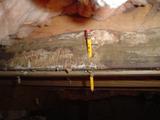
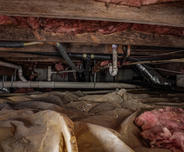
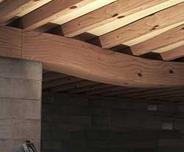
Have you noticed creaky or sagging floors in your home? More than likely, there is a moisture issue in your crawl space causing wood to decay from the inside out.
Left unchecked, this wood rot will only get worse and compromise your home’s structural integrity. In this comprehensive guide, we’ll break down the causes, risks, and solutions for wood rot, ensuring you can catch this problem early and avoid extensive repairs down the road.
What is Wood Rot?
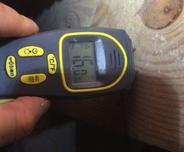
Wood rot refers to the decay and decomposition of wood materials, such as support beams, subfloors, and wood framing. This occurs when wood is exposed to constant moisture.
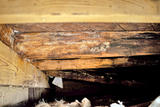
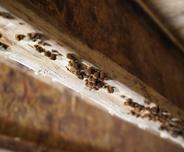
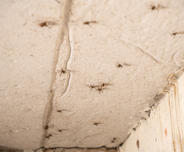
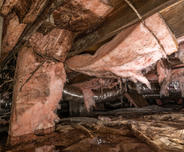
The excess moisture enables fungus and mold growth within the wood fibers, causing soft punky wood, cracking, peeling finishes, and eventual structural failure. Common signs of wood rot found both in crawl spaces and within homes include:
- Soft, crumbling wood
- Mold growth
- Musty smells
- Sagging floors and drywall cracks
- Bouncy floors throughout home
If wood rot is developing in enclosed areas like your crawl space, you may not immediately see the full extent of the issue. However, severe structural instability and failures can occur if decaying wood goes unchecked. Catching this early is vital.
What Causes Wood Rot?
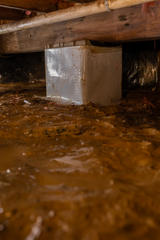
Wood rot primarily develops from repeated exposure to water. Causes of elevated moisture levels in crawl spaces include:
- Leaking appliances like water heaters or HVAC systems
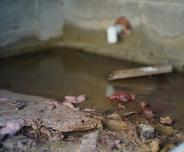
- Rainwater intrusion through open vents and cracks
- Plumbing leaks from pipes and drains
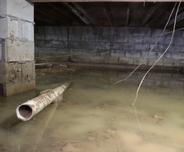
- Improper drainage and standing water
- High humidity and condensation
In West Virginia, moisture easily accumulates in the crawl spaces during the humid summer. Water, water vapor, and condensation come into contact with wood and cause it to break down.
As wood decays, its strength diminishes. Fungi and mold colonies further weaken the wood, exhibiting signs like punky soft sections, cracking, peeling wood fibers, mushroom-shaped protrusions, and eventually collapse.
Prompt remediation is crucial once wood rot sets in. The fungus and mold will continue spreading, and severely compromised wood cannot be restored. Stopping all moisture intrusion prevents further decay.
Can You Fix Wood Rot?
In its early stages, minor wood rot can be fixed through drying out the wood and removing the decayed sections. However, once fungus penetrates deep into wood framing and support structures, the decay cannot be reversed.
Rotting wood will continue crumbling away until the structure fails. At this stage, wood reinforcements, replacements, and foundational repairs are needed to stabilize the home before irreparable damage occurs.
Rather than waiting for wood rot to advance and then replacing the materials, it’s better to address moisture levels proactively. Stopping excessive humidity and leaks prevents fungus growth and wood decay in the first place.
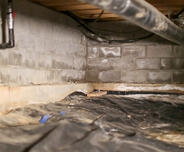
Basement Authority of West Virginia offers permanent wood rot and moisture prevention through encapsulation. By sealing, insulating and controlling moisture and condensation in crawl spaces, wood remains protected.
How Basement Authority of West Virginia Prevents Wood Rot
Our complete crawl space encapsulation process tackles moisture from all angles, creating an environment that won’t allow wood rot to form. Here’s what the process looks like:
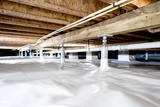
- Provide a thorough inspection and identify any moisture issues
- Seal all open vents and update crawl space doors
- Install an interior drain and sump pump to remove water
- Add clean drainage matting to better direct any captured water
- Attach thermal insulation panels (R-value of R-19)
- Install high-quality vapor barrier
- Add dehumidifier to control moisture levels
- Schedule maintenance checkups
This multi-step approach eliminates moisture intrusion and controls humidity levels through summer and winter. Wood structures remain dry year-round, stopping fungus and decay before they start.
Why Address Wood Rot Issues Now?
Catching and addressing wood rot in early stages is critical to prevent further fungal spread, additional moisture damage, and eventual structural collapse. Here’s why acting swiftly is vital:
- Prevent Costly Structural Repairs: Ignoring severe wood rot compromises floor joists, beams, and other critical supports. Repairs become more and more costly, but fixing the problem early helps you save on costs.
- Improve Air Quality: Fungus and mold release airborne spores and noxious gases. This leads to poor air quality in your home. Removing moisture helps.
- Maintain Property Value: Moisture damage, sinking floors, and foundational issues substantially lower property value. Stop wood rot to maintain the home’s worth.
- Avoid Pest Infestations: Rotting wood attracts termites, carpenter ants, wood boring beetles and other pests. You’ll keep them out with a moisture-controlled crawl space.
Contact Basement Authority of West Virginia for Reliable Crawl Space Solutions

Don’t let wood rot slowly compromise the safety of your home. As the leading crawl space specialists in our state, Basement Authority of West Virginia provides permanent moisture prevention in crawl spaces.
Our encapsulation solutions tackle intruding water at the source, provide insulation, and maintain safe humidity levels year-round so wood stays protected. Contact us today to schedule a no-obligation inspection and defend your home from all forms of moisture.
Resources
Explore more problem signs

Our Locations
132 Rocky Step Rd.,
Scott Depot, WV 25560